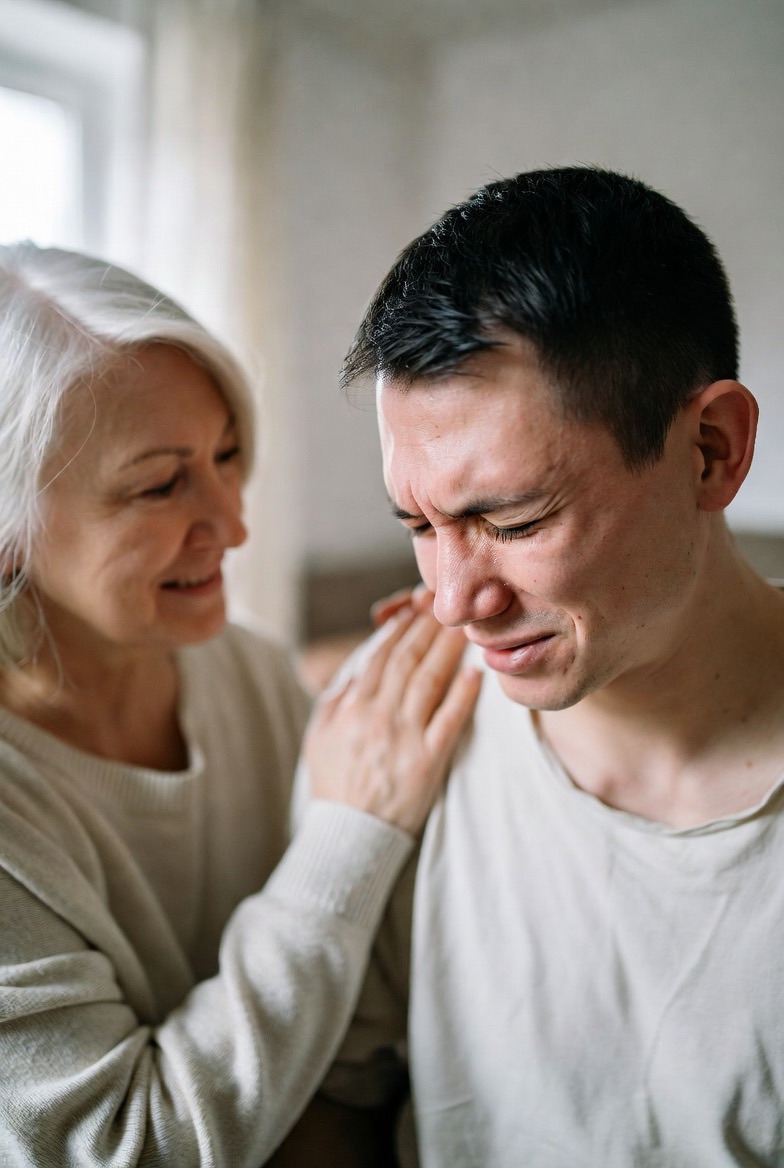
Living with severe delusions can feel like being trapped in a nightmare you can’t wake up from. I truly believed people were out to kill me. The fear was overwhelming—my emotions raw, painful, and exhausting. Every day was a battle with paranoia that felt 100% real.
If you’re experiencing something similar, know this: you’re not alone, and help is available. In my darkest moment, my mom played a pivotal role in guiding me toward safety and treatment. Here’s my honest story of how she talked me into checking myself into the hospital.
The Reality of My Delusions
The thoughts weren’t just “in my head”—they consumed me. I was convinced danger lurked everywhere. The emotional pain was intense: constant fear for my life, anxiety that made my chest tight, and a deep sense of isolation. I was scared for myself and didn’t know how to escape the terror.
I resisted help at first. Admitting I needed it felt impossible when everything in my mind screamed that the threats were real.
How My Mom Reached Me
My mom didn’t dismiss my fears or argue with my delusions. Instead, she connected with me on an emotional level. She validated how painful and uncomfortable I was feeling. She saw my terror and met me there with compassion.
Then she offered a simple, powerful idea:
“The people trying to hurt you can’t get to you in the hospital. It’s a safe place.”
That clicked. In my paranoid state, the hospital represented protection—a secure environment where the threats couldn’t reach me. She spoke directly to my fears without invalidating them. She emphasized that I was in desperate need of help, and that taking this step was about keeping me safe.
Her words were calm, loving, and logical. She didn’t push; she partnered with me. Together, we made the decision.
Checking Into the Hospital
That day, my mom and I went to the hospital as a team. Walking through those doors was one of the hardest yet bravest things I’ve done. The fear didn’t vanish immediately, but the safety she promised was there. Medical professionals understood what I was experiencing and began providing the care I needed.
Looking back, that moment was the turning point. It wasn’t easy, but it was necessary. The hospital gave me space to stabilize, receive proper treatment, and begin rebuilding.
What I Learned From This Experience
• Delusions feel completely real—but they don’t have to control your life.
• Emotional pain is a signal that help is needed.
• Support from loved ones who connect with your feelings (rather than debating them) can make all the difference.
• Hospitals can be safe havens, not scary places, when you’re in crisis.
If you’re struggling with psychosis, paranoia, or any mental health challenge, reaching out for help is a sign of strength—not weakness.
A Message of Hope
Today, I’m sharing my story on Karllausman.com to encourage others. Recovery is possible. With the right support, treatment, and time, the delusions lose their power. My mom’s intervention saved my life, and I’m forever grateful.
If this resonates with you or someone you love, please reach out to a trusted person or mental health professional. In the US, you can call the National Suicide Prevention Lifeline at 988 or visit your local hospital’s emergency services.
You’re worth fighting for.

Leave a Reply