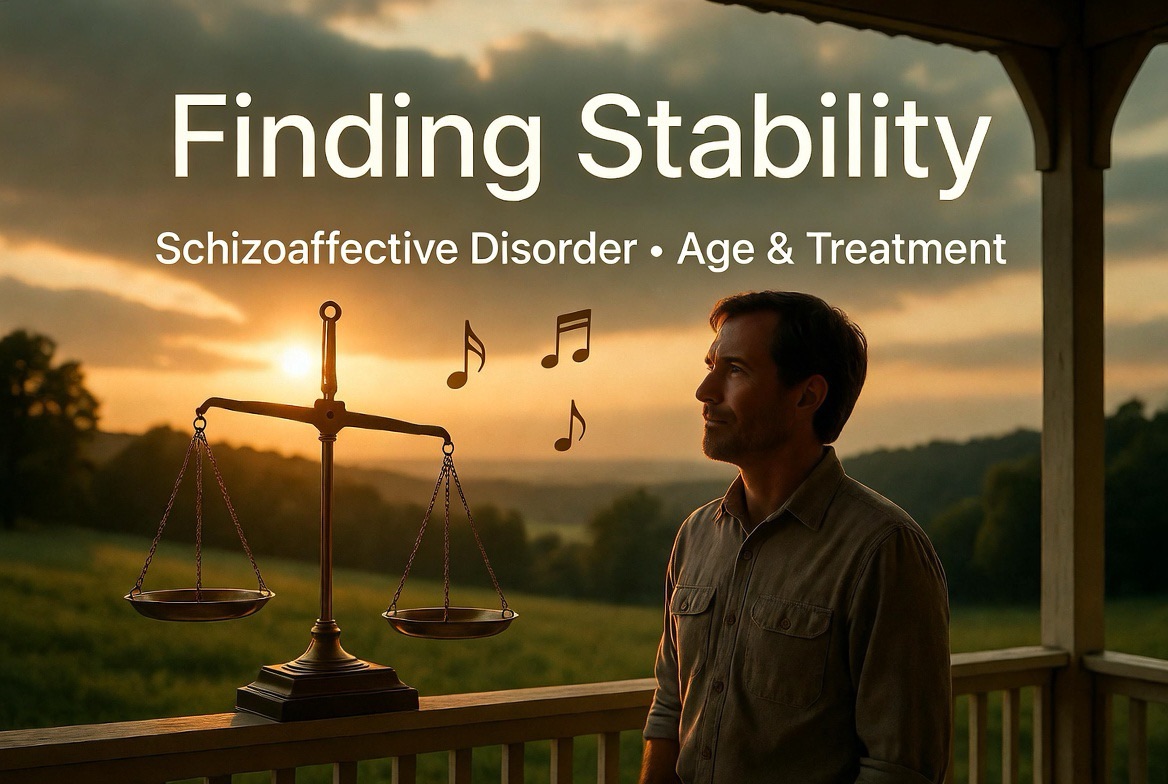
Living with schizoaffective disorder is a journey that few truly understand unless they’ve walked a similar path. For years, my days could shift dramatically based on emotional triggers, where a surge of feeling might pull me far from reality. But today, I can honestly say that things have gotten easier—much easier. The combination of time, consistent treatment, and dedicated therapy has reshaped my experience in ways I once thought impossible.
The Emotional Landscape Has Leveled Out
One of the most profound changes I’ve noticed is how my moods have stabilized. In the past, the “highs” could feel exhilarating but dangerous—racing thoughts, heightened energy, and sometimes paranoia or other psychotic features that turned a good mood into something overwhelming. The “lows” were deep and heavy, though I was fortunate that even in depression, getting out of bed was never my biggest struggle. Schizoaffective disorder blends elements of schizophrenia and mood disorders, so those peaks and valleys often came with symptoms that made everything feel amplified and out of control.
Now, those highs are noticeably lower, and the lows don’t sink quite as deep. It’s like the emotional rollercoaster has slowed down and the tracks have been smoothed out. A big part of this shift comes from finding the right treatment regimen over the years. Medications that balance brain chemistry have played a huge role, reducing the intensity of manic episodes while also quieting the more disruptive symptoms like hallucinations or delusions when they try to creep in. It’s not about erasing emotions—I’m still human—but about keeping them within a manageable range where I can actually function and enjoy life.
Music No Longer Pulls Me into Mania
Music has always been a big part of my life—it connects me to feelings in a powerful way. But for a long time, it was a double-edged sword. An emotionally high song, especially one with uplifting or intense energy, could spark a manic episode. The beat, the lyrics, or the surge of emotion would resonate too deeply, quickly escalating into racing thoughts, grand ideas, or a full psychotic swing that pulled me away from reality.
Today, that’s changed. I can listen to an emotionally charged, high-energy track and feel the excitement or inspiration without it hijacking my entire mental state. The song might lift my mood, but it doesn’t spiral into mania or psychosis. This stability is incredibly freeing. It means I can enjoy art, movies, books, and music again without the constant fear of consequences. Treatment has helped dampen the hypersensitivity that once made every strong positive feeling a potential gateway to mania. Age and experience have taught me to recognize early warning signs and step back when needed, creating a buffer that wasn’t there before.
Building Connections Through Therapy
Social life was one of the hardest areas for me. Schizoaffective disorder often comes with challenges in reading social cues, managing anxiety in groups, or even trusting others enough to form bonds. For years, isolation felt safer, but it also deepened the lows and made symptoms feel more overwhelming.
Through years of consistent therapy, I’ve been learning practical social skills that I missed out on earlier in life. Techniques like cognitive behavioral approaches, role-playing conversations, and building emotional regulation have made a world of difference. I’m getting better at starting conversations, maintaining friendships, and even handling conflicts without everything feeling catastrophic. It’s not always easy, and I’m still a work in progress, but I’m making real friends now—people who understand my journey or simply enjoy my company for who I am.
This has been one of the most rewarding parts of my progress. Human connection is healing in itself, and as my symptoms have become more manageable, I’ve had the bandwidth to invest in relationships. Therapy has also helped me set boundaries and communicate my needs clearly, which reduces stress and prevents small issues from snowballing into bigger mental health challenges.
Life Is Much Better Now
Looking back, I wouldn’t wish the early years of my diagnosis on anyone. The uncertainty, the fear, and the sense that a single song or strong emotion could derail everything—it was exhausting. But with age comes perspective, and with treatment comes real relief. I’m not “cured,” and there are still tough days, but they don’t define me anymore. I have routines that support my stability: regular sleep, exercise, healthy eating, and sticking to my medication schedule. These basics, combined with ongoing therapy and support, create a foundation that keeps me grounded.
If you’re living with schizoaffective disorder or supporting someone who is, I want you to know that improvement is possible. It often takes time—finding the right meds, the right therapist, and the patience to keep going even when progress feels slow. But many of us do get to a place where the illness becomes a smaller part of our story rather than the whole plot.
Life feels brighter now. I can pursue interests, nurture relationships, and face challenges with more resilience. The highs are lower, the lows are higher, and in that middle ground, there’s room for joy, growth, and ordinary days that I once took for granted.
If my story resonates with you, you’re not alone. Keep seeking help, stay consistent with treatment, and give yourself grace. Stability is worth the effort, and for many of us, it does get better with time.
Karl shares his personal experiences with schizoaffective disorder. This post is for informational and inspirational purposes only and is not a substitute for professional medical advice. Always consult with your healthcare provider for personalized treatment.
Leave a Reply