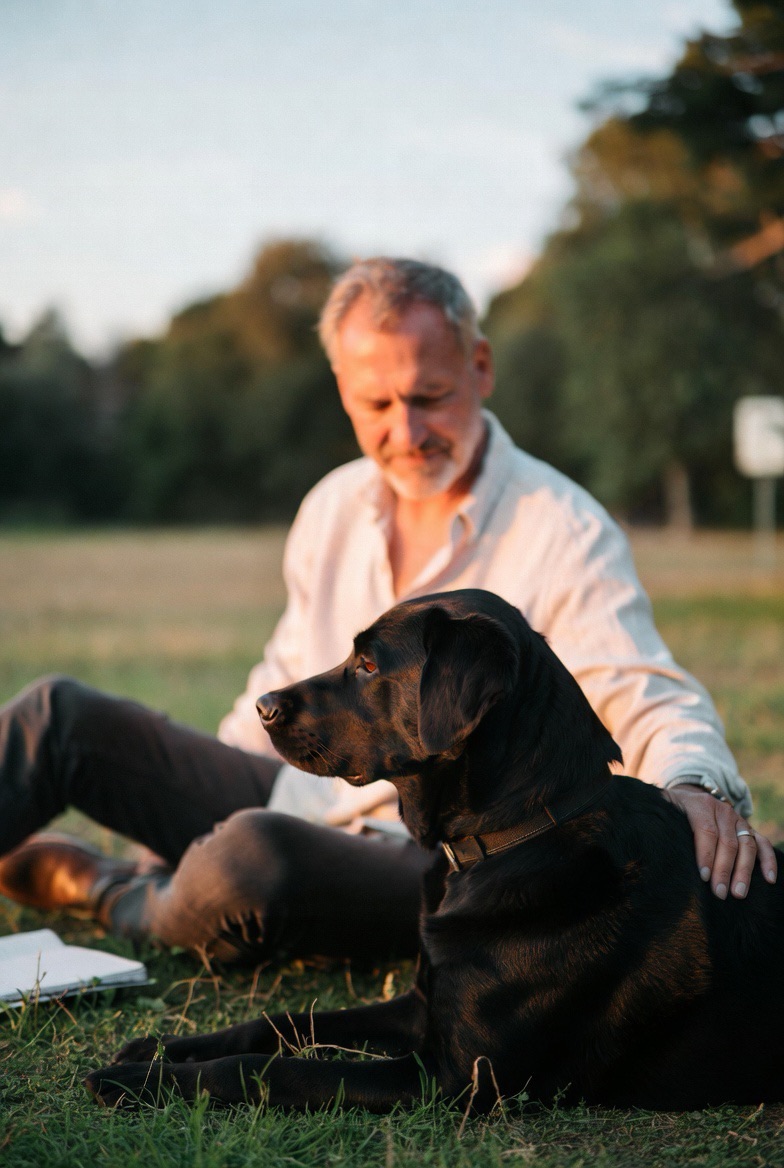
When My Passionate Dog Training Hobby Pushed Me Too Far
Hey everyone, Karl here at karllausman.com. For over 25 years I’ve lived openly with schizoaffective disorder and generalized anxiety disorder. This blog is where I share the real, unfiltered side of managing mental health while trying to live a meaningful life.
One of my biggest passions is dog training — mostly as a hobby. I love working with dogs, especially after training my own retriever Shelby as an anxiety service dog. It gives me purpose, structure, and joy. But recently, I went on a two-week streak of intensive dog training sessions, and it triggered a rough patch with my symptoms.
The constant focus, emotional connection, and problem-solving I enjoy so much ended up overwhelming me. Anxiety spiked, ruminating thoughts replayed every moment, and paranoid behavior made everyday situations feel heavier. It’s a familiar cycle I’ve learned to recognize after decades of this.
I’m sharing this because if dog training (or any passionate hobby) sometimes costs you mentally, you’re not alone — especially when living with schizoaffective disorder.
Why a Loved Hobby Can Still Cause Burnout
Dog training isn’t my full-time job. It’s a hobby I’m deeply passionate about. Training Shelby taught me so much about patience, focus, and building trust — skills that help me in my own recovery. I enjoy helping other dogs and owners when I can, reading body language, and seeing progress.
But even passions have limits. That two-week streak reminded me how the high energy and emotional investment can stir up anxiety and paranoia when I don’t balance it. I’ve written before about how hard it is to hide my facial expressions and body language when symptoms flare during training. This time, it hit hard enough that I knew I needed to pause.
Choosing Self-Care and Recovery
I’ve decided to step back from dog training sessions for now and focus on mental health recovery. This isn’t quitting something I love — it’s protecting my ability to enjoy it long-term.
I’m leaning into the tools that have helped me for 25+ years:
• Sticking to daily routines for stability
• Grounding techniques and breathing when anxiety or ruminating thoughts kick in
• Protecting my sleep — it’s non-negotiable for managing symptoms
• Gentle movement and low-pressure activities
• Staying connected to faith: God never gives us more than we can handle. Keep going and remember to stay positive.
Thankful for Social Security Disability
I’m incredibly grateful for Social Security Disability benefits. They give me the freedom not to push myself every day for income. Instead, I can take the time I need to rest, reset, and come back to my hobbies — including dog training — when I’m stronger.
This stability is a huge part of my self-care. It lets me recover without added pressure.
What Recovery Looks Like Right Now
This season is all about gentle self-care:
1. Grounding and Calm
Simple practices to stay present when paranoia or anxious thoughts try to take over.
2. Catching Up on Sleep
Prioritizing rest to settle my mind and body.
3. Enjoying Other Hobbies
Spending quiet time with Shelby, light activities I love, and things that bring joy without intensity.
4. Keeping Movement Consistent
I’ve shared how physical labor and workouts help with mania and sleep — I’m staying active but kind to myself.
Dog training will be waiting when I’m ready. For now, stepping back lets me enjoy it more sustainably as the passionate hobby it is for me.
Lessons from 25+ Years with Schizoaffective Disorder
• Even beloved hobbies need balance.
• Listen to your mind and body early.
• Self-care makes it possible to keep pursuing what you love.
• You can be passionate about something and still give yourself grace to rest.
If you live with schizoaffective disorder, anxiety, or similar challenges, remember: pausing isn’t failure. It’s wisdom.
Looking Forward
I’ll return to dog training as a hobby when my mind feels steadier, with better boundaries so I can keep enjoying it. In the meantime, I’m using this time to write, rest, and strengthen my recovery.
Thanks for reading. If this resonates, drop a comment or check out related posts:
• How I Trained My Retriever Shelby as an Anxiety Service Dog: An Owner-Trained Success Story
One day at a time. Stay strong.
— Karl Lausman
Leave a Reply