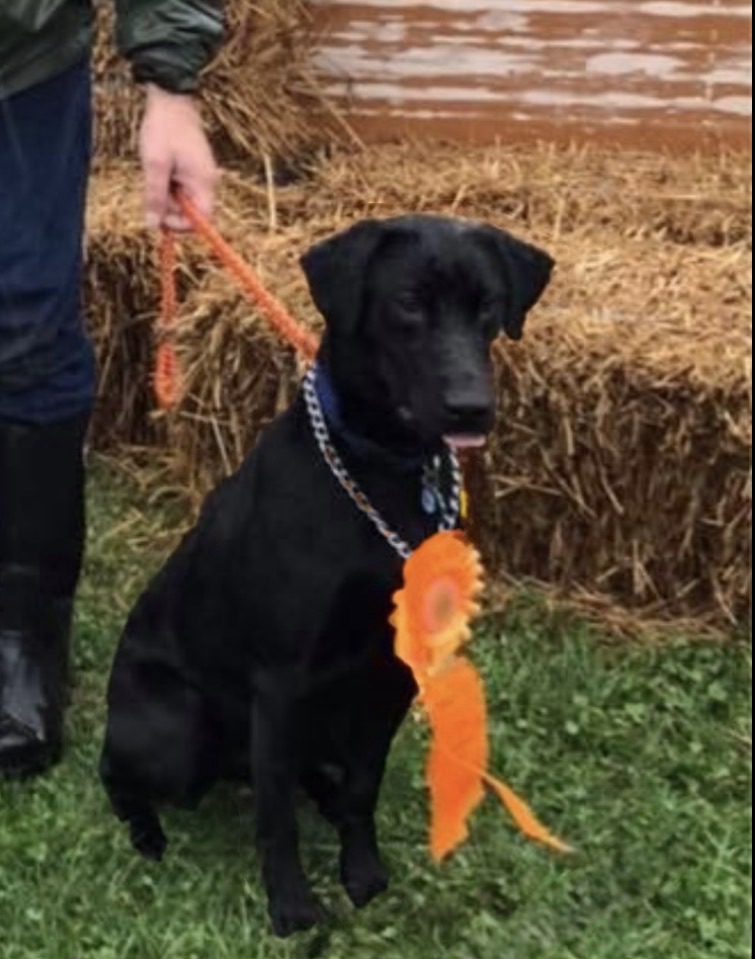
Living with anxiety and schizophrenia means your own mind can sometimes feel like the loudest, most unpredictable place on earth. During psychotic episodes the temptation to shut the door, draw the curtains, and disappear is overwhelming. Social skills that once came naturally can feel rusty or missing entirely—sometimes because the illness itself scrambled them, sometimes because years of symptoms left you practicing isolation instead of conversation. For a long time I wondered if I would ever feel like “me” again. Then I remembered something I loved before the symptoms ever showed up: dogs.
Most therapists I’ve worked with have been genuinely excited when patients find a hobby that gently pulls them back into the outside world. They know medication and talk therapy are vital, but they also know that real recovery often needs something that gives you a reason to get out of bed, leave the house, and interact with other human beings—even when every fiber of your being wants to hide. A good hobby isn’t just a distraction; it becomes a bridge.
For me, that bridge was dog sports—specifically retriever training and field work. I had trained dogs as a kid and teenager, long before my first noticeable symptoms in adolescence. During recovery I kept thinking about the person I might have become if illness hadn’t interrupted my late teens and early twenties. One of the clearest pictures I could see was a guy with a really well-trained dog. That simple desire became my turning point.
I wanted a dog that could compete in hunt tests and field trials so badly that I finally admitted I needed help. I couldn’t do it alone. So I reached out and joined a local retriever club. What started as “I just need someone to show me how to steady a dog on the line” turned into years of monthly training days and shared weekends at trials.
I didn’t set out to fix my social skills. I set out to get a dog that would sit, stay, and retrieve with style. But the hobby refused to let me stay isolated. I made a lot of new friends in the club who supported my growth as a dog trainer. They offered advice, encouragement, and patience when my dogs (or I) struggled. I had to learn—sometimes painfully—how to read tone of voice, body language, and the unspoken rules of group conversation while we worked together on the training field. When I messed up a social cue (and I do, often), the dogs didn’t care. They still wagged their tails and waited for the next command. That unconditional acceptance gave me the safety net I needed to keep practicing the human stuff.
Years into this journey, the change is obvious even to me. I can strike up conversations at training days and trials without my heart trying to hammer its way out of my chest. I’m better at the small talk, the good-natured ribbing, and the shared excitement or frustration when the wind shifts and the birds don’t cooperate. I’ve learned to celebrate other handlers’ successes instead of spiraling into comparison. Most importantly, I’ve rebuilt a piece of the identity I thought schizophrenia had stolen: the guy who loves working with dogs.
The hobby didn’t cure me. I still take my medication, see my therapist, and have rough days. But on those rough days I have somewhere meaningful to go—monthly training days where people expect me, not because they’re being polite, but because there are dogs to train, birds to throw, and skills to sharpen together. The outside world has become a place I participate in, not just observe from behind a window.
If you’re living with anxiety, schizophrenia, or any condition that makes isolation feel safer, I can’t prescribe your perfect hobby. But I can tell you this: find the thing that once lit you up, even if it was years ago. Then let the activity itself pull you forward. Maybe it’s dogs, maybe it’s gardening, photography, rock climbing, or a community theater group. The important part is that it gives you a reason to stay connected when your brain is screaming to withdraw.
Therapists cheer for these hobbies because they’ve seen the difference. I’ve lived the difference. Years of dog sports and monthly training days with supportive friends didn’t just give me better-trained retrievers—they gave me back pieces of myself I thought were gone forever.
So if you’re in the thick of recovery and wondering what could possibly make a dent in the isolation, consider this your permission slip: go chase the thing you loved before the symptoms arrived. The world—and a few wagging tails—will be waiting.
Leave a Reply