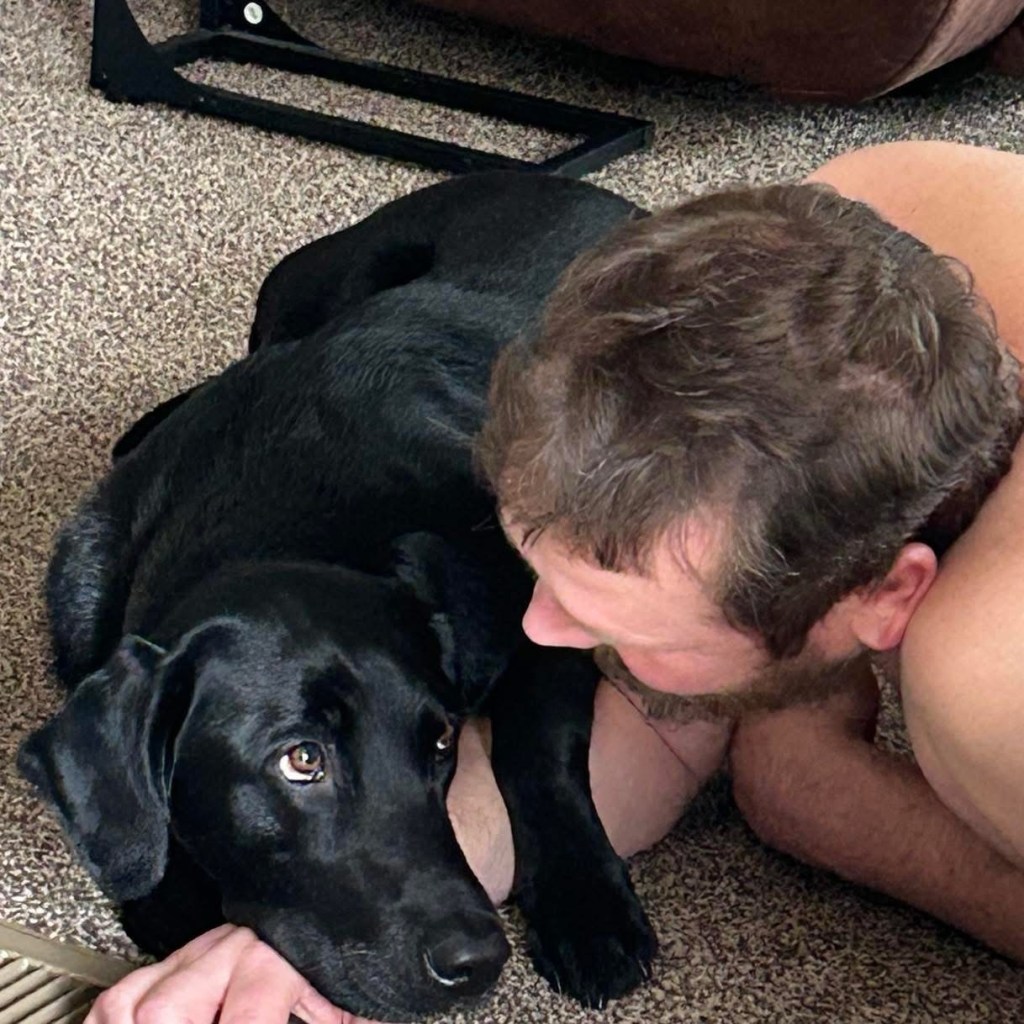
When I first brought home my puppy Shelby, I planned to train her for competitive dog sports. As a retriever from a strong, healthy bloodline known for excellent trainability, she was a natural fit. I studied retriever training DVDs and focused on building a solid foundation of obedience and focus—skills that also happen to be essential for service dogs.
At the time, my generalized anxiety was severe and often triggered manic-like symptoms. My doctors suggested that training Shelby could be a healthy, productive outlet during tough episodes. What started as a hobby quickly became much more.
Training Shelby grounded me. It gave me something positive and structured to focus on when my mind spiraled. Shelby thrived on the work—she loved training sessions and was always eager to learn. She’s recognized my symptoms and knew it was time to train. Her high drive and willingness to please made her the perfect partner.
Over the next couple of years, something remarkable happened. Shelby began to notice my early anxiety symptoms on her own. When I started ruminating, pacing, or wringing my hands, she would get excited, wag her tail vigorously, and bring me a toy to redirect my attention. She interrupted the cycle and pulled me back into the present moment.
Now, at five years old, we don’t train for sports as intensely as we used to, but Shelby’s service role has only grown stronger. She’s become highly attuned to my anxiety cues and responds more reliably than ever. Her “work” often involves simply getting my focus, bringing a toy for play, or providing calming companionship that helps ground me during episodes.
I reinforce her helpful behaviors with enthusiastic praise and playtime with her favorite toy—positive reinforcement that keeps her motivated and happy.
How Shelby Helps with Anxiety
Shelby’s natural alerting and interrupting behaviors align with common psychiatric service dog tasks, such as:
• Recognizing behavioral cues (like pacing or hand-wringing) that signal rising anxiety.
• Redirecting attention through play or interaction to interrupt rumination.
• Providing grounding support that helps prevent symptoms from escalating.
While many people follow structured programs for anxiety service dog training (including scent detection of stress hormones like cortisol or formal task shaping), Shelby and I developed our partnership organically through consistent training and real-life bonding. It worked beautifully for us.
Important Notes for Anyone Considering a Service Dog
There are many excellent resources online for owner-trained service dogs, professional programs, and task-specific training (such as deep pressure therapy or formal alerts). Retriever breeds like Shelby’s are often well-suited for this work due to their intelligence, eagerness to please, and steady temperaments.
That said, dogs are a big responsibility—they require time, commitment, training, and ongoing care. They aren’t the right solution for everyone. Always consult your healthcare team to determine if a service dog (or any dog) fits your needs and lifestyle. In the United States, a true service dog must be individually trained to perform specific tasks that mitigate a disability, and they have public access rights under the ADA when working.
Shelby has been life-changing for me. She turned a hobby into a genuine partnership that helps me manage my anxiety every day. If you’re on a similar journey, know that patience, consistency, and love go a long way.
 Karl's Blog
Leave a comment